
Hot Water Heater Upgrade with PowerPanel PVT Hybrid Technology
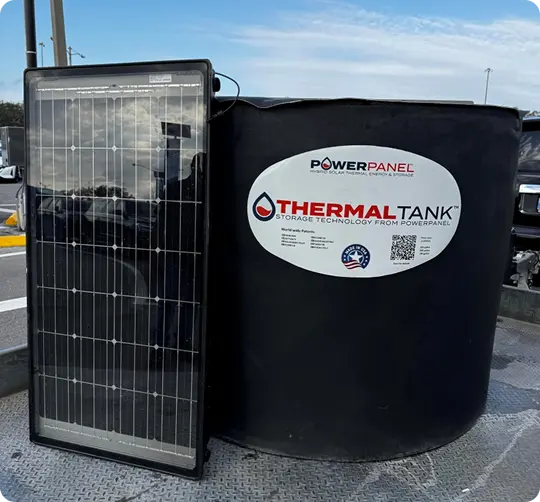
One of the most advanced approaches is upgrading a traditional hot water heater by pairing it with PVT (photovoltaic-thermal) hybrid technology and a thermal storage tank. This configuration fundamentally changes system efficiency by capturing both thermal and electrical energy from the same surface area and using stored heat strategically rather than on demand. Solutions developed by PowerPanel are designed specifically for commercial buildings where reliability, performance, and long-term economics matter. This article explains how a hot water heater upgrade with PVT hybrid technology works, why efficiency jumps so dramatically compared to conventional systems, and how standards such as ISO 9806 and PV-thermal energy splitting validate real-world performance.
Why Traditional Hot Water Heaters Hit an Efficiency Ceiling
Conventional hot water heaters—whether electric resistance, gas-fired, or even heat pump based—are limited by how and when they generate heat. They respond to demand in real time, meaning peak hot water use often coincides with peak energy prices and peak equipment stress. Even high-efficiency heaters cannot escape this structural limitation if they operate without thermal storage or renewable heat input. From decades of field experience in hospitality, healthcare, and multi-family buildings, the same patterns emerge: oversized heaters installed to cover short demand spikes, higher capital costs, short cycling, and unnecessary fuel or electricity consumption. These systems may appear efficient on paper, but they are operationally inefficient over a full year of use. A thermal water heater upgrade that integrates renewable heat generation changes this dynamic entirely by decoupling energy production from energy use.
The Efficiency Jump When Pairing Heaters with PVT
The most dramatic gains from a hot water heater upgrade occur when PVT hybrid technology is paired with thermal storage. Instead of generating heat at the exact moment of use, the system charges the storage tank whenever renewable energy is available and releases that energy during peak demand periods.
Key efficiency gains include:
- Reduced primary energy input
- Lower peak electrical demand since stored heat replaces real-time heating
- Higher system utilization by keeping heaters and heat pumps operating in optimal ranges
These gains are not theoretical. They are observed consistently in operational systems serving hotels, laundries, and healthcare facilities with predictable hot water loads.
Understanding ISO 9806 Thermal Performance
ISO 9806 is the international standard used to certify hybrid collectors under controlled test conditions. Unlike marketing claims, ISO 9806 testing provides validated performance data across a range of temperatures, flow rates, and environmental conditions. For PVT systems, ISO 9806 confirms how efficiently thermal energy is captured and transferred into a usable fluid stream. This matters because in a thermal storage tank system, thermal output—not just electrical output—drives hot water performance. When upgrading a hot water heater, ISO 9806 certification ensures that the thermal side of the PVT system delivers predictable, bankable heat output that engineers can confidently model into real building loads.
PV-Thermal Split: Why Thermal Energy Does the Heavy Lifting
One of the most misunderstood aspects of PVT systems is the energy split between photovoltaic electricity and thermal output. While electricity often gets more attention, the majority of usable energy in hot water applications comes from the thermal side. In well-designed PVT systems, the thermal output can represent several times the usable energy of the electrical output. This is why pairing PVT with a thermal water heater and storage tank is so effective: the system prioritizes heat where heat is actually needed.
Practical implications of the PV-thermal split:
- Thermal energy covers the majority of hot water demand
- Electrical output supports pumps, controls, and auxiliary systems
- Overall rooftop energy density is significantly higher than PV alone
This split is central to why PVT-based upgrades outperform standalone electric or gas hot water heaters over their lifetime.
PVT Hybrid Performance vs Conventional Hot Water Heating
| System Characteristic | Conventional Hot Water Heater | PVT Hybrid + Thermal Storage Tank | Why This Matters |
|---|---|---|---|
| Thermal Efficiency Basis | Heater nameplate efficiency | ISO 9806–validated thermal output | Confirms real, test-certified heat production rather than theoretical ratings |
| PV-Thermal Energy Split | Not applicable | Thermal energy dominates usable output | Prioritizes heat where hot water demand is highest |
| Peak Load Handling | Real-time heating during demand | Stored thermal energy dispatched on demand | Eliminates temperature drops and peak energy penalties |
The Role of the Thermal Storage Tank
Talk to our experts about your energy situation today.
Where This Upgrade Delivers the Most Value
Facilities that see the strongest return on investment from a PVT-based hot water heater upgrade share common characteristics. They have recurring hot water demand, sufficient roof or site area, and rising energy costs that penalize peak usage.
Ideal applications include:
- Hotels and resorts with morning and evening demand spikes
- Commercial laundries with continuous wash cycles
- Healthcare and senior living facilities requiring temperature stability
In these environments, renewable heat solutions are not experimental—they are operationally proven.